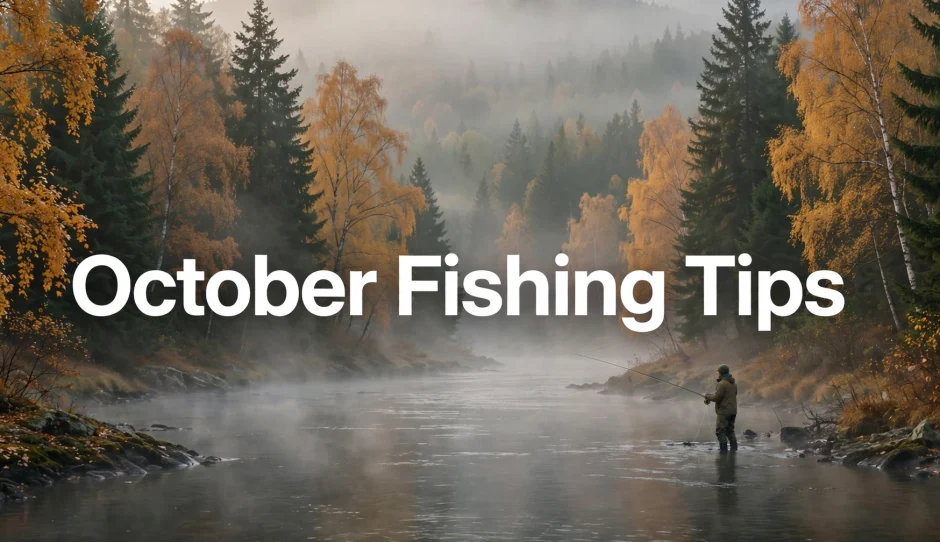
By late October the water is cold and clear, and the hatches have thinned out. That’s nymph water. Midges and BWO nymphs take over as the primary food, with washed-in worms after the fall rains — and the fish are still eating, right under the surface.
Think small
Midges in #22–26 (olive and black) and BWO nymphs and emergers in #20–22 are the menu. Zebra midges, copper Johns, hare’s ears, and CDC emergers in these sizes are the box staples. In low, clear water, tippet matters as much as the fly — 6x and 7x where the fish are wary.
Fish the slow, deep slots
Cold water means slow fish. They hold in the soft, deep water — inside seams, deep slots, the tails of pools. Fish them slow and deep, with enough weight to get down and stay down. A nymph that isn’t near the bottom isn’t fishing.
After the rains, fish the worm
Fall rains wash food into the river, and a San Juan Worm or squirmy fished through the freshly rising water is one of the most reliable fall nymphs there is. When the water’s up and stained, the worm is the first fly to tie on.
Watch for the mid-day BWO nymph bite
The same mid-day BWO hatch that brings fish up also brings them to nymphs below. When you see the first noses at 11, the fish behind them have been eating emergers for an hour. One caveat this year: October opened warm and sunny on rivers like the Missouri, and guides were still waiting on the overcast days that trigger the classic heavy BWO hatches — so expect the mid-day bite to build as the weather turns. Fish the emerger swing through the risers’ lanes and you’ll catch the fish the dry-fly guys are missing.
Late October nymphing isn’t glamorous, but it’s effective — and on the cold, clear days when nothing’s hatching, it’s the difference between a slow day and a good one.